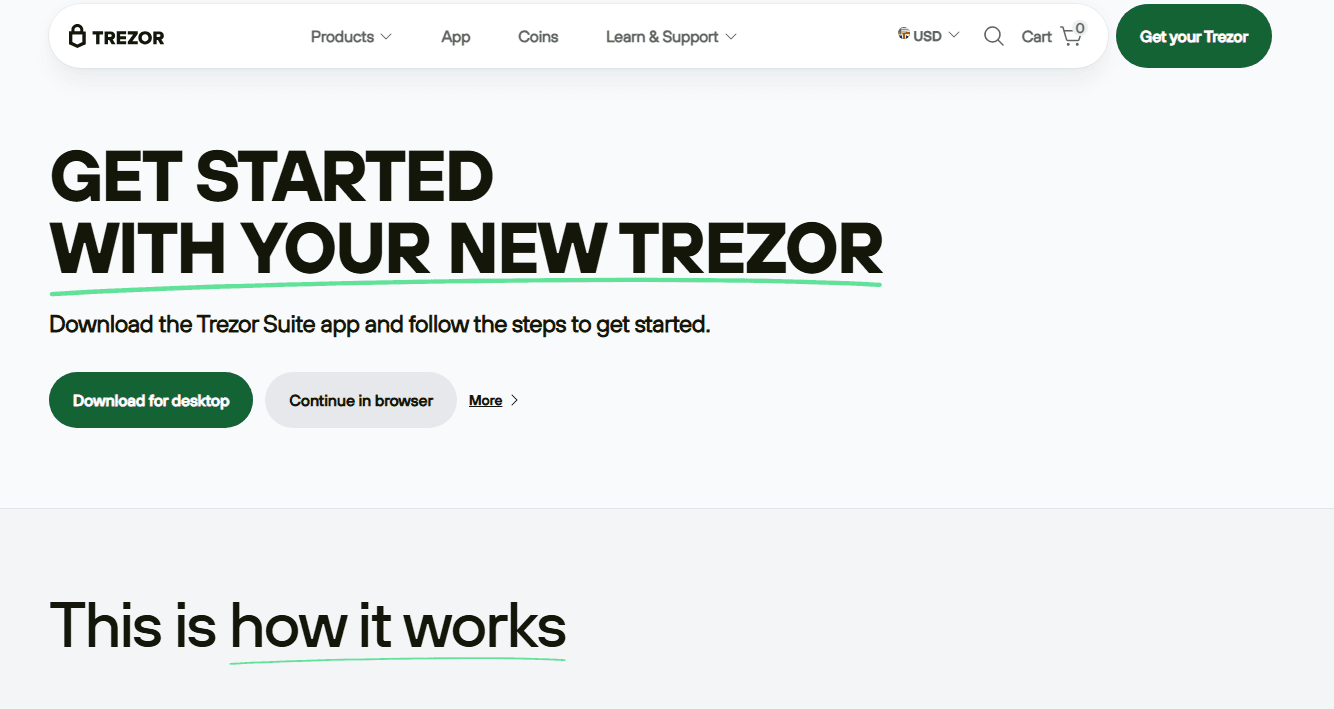
Trezor Login: A Complete Guide to Accessing and Securing Your Cryptocurrency Wallet
In today’s world, cryptocurrency has emerged as a revolutionary form of digital money. However, managing these digital assets securely is just as important as buying or trading them. One of the most trusted ways to store and protect your cryptocurrency is through a hardware wallet, such as the Trezor. This guide will walk you through the entire process of logging into your Trezor wallet, ensuring that your assets remain safe while also explaining key aspects of its features, security, and troubleshooting steps.
What is Trezor?
Trezor is a brand of hardware wallets developed by the company SatoshiLabs, designed to securely store cryptocurrency private keys offline. These wallets are known for their high level of security, as they do not expose your private keys to the internet. By storing your keys on a physical device, the risk of online hacking is greatly reduced.
There are two main models of Trezor: the Trezor One and the Trezor Model T. While both serve the same core purpose, the Trezor Model T comes with a touchscreen, providing a more user-friendly experience, whereas the Trezor One uses physical buttons for interaction. Both models are compatible with a wide range of cryptocurrencies such as Bitcoin, Ethereum, and many altcoins, making them a popular choice among cryptocurrency enthusiasts.
Why Use Trezor?
Enhanced Security: Trezor is renowned for its strong security measures. It stores your private keys offline, making them virtually immune to online threats like hacking, malware, or phishing attacks. As your private keys are never exposed to your computer or the internet, your cryptocurrencies are more secure compared to software wallets.
Backup and Recovery: When you set up your Trezor wallet, it generates a unique recovery seed (a series of 12-24 words). This seed allows you to recover your wallet and its contents in case the device is lost, stolen, or damaged. It’s essential to keep this recovery seed safe and secure.
User-Friendly: While Trezor is a hardware wallet designed for security, it is also relatively easy to use, even for beginners. The Trezor Wallet interface is simple and intuitive, allowing users to manage their digital assets with ease.
Multi-Currency Support: Trezor supports a broad selection of cryptocurrencies, including Bitcoin, Ethereum, Litecoin, and many others, making it suitable for users with diverse portfolios.
Frequent Firmware Updates: Trezor frequently releases firmware updates that improve security and functionality. Regular updates ensure that your device is protected against new threats and vulnerabilities.
Setting Up Your Trezor Wallet
Before you can log into your Trezor wallet, you need to set it up. This process is simple and involves a few basic steps to ensure that your device is properly configured and secure.
1. Unboxing and Connecting Your Trezor
When you purchase a Trezor device, the package will contain the following items:
The Trezor hardware wallet itself.
A USB cable.
A recovery seed card for writing down your seed words.
A set of instructions.
Start by connecting the Trezor device to your computer using the provided USB cable. You will also need to install the necessary software on your computer to interact with the wallet.
2. Installing the Trezor Wallet App
Once connected, visit the official Trezor website (ensure that you are on the official site to avoid phishing attempts) and download the Trezor Wallet application. This app allows you to interact with your Trezor device and manage your cryptocurrency.
3. Creating a PIN and Recovery Seed
The first time you set up your Trezor device, you will be prompted to create a PIN. This PIN will be required each time you access your wallet to ensure that only you can access your cryptocurrency. After creating your PIN, the device will generate a recovery seed – a series of 12-24 words. Write these words down in the correct order and store them in a safe place. This recovery seed is crucial for recovering your wallet if you ever lose or damage your Trezor device.
Logging Into Your Trezor Wallet
After completing the initial setup, you are ready to log into your Trezor wallet. Here’s how you can do it securely:
1. Connecting Your Trezor Device
The first step is to connect your Trezor hardware wallet to your computer using the provided USB cable. Once the device is connected, the Trezor Wallet application should automatically detect it. If this is your first time logging in, you will need to use the recovery seed to restore your wallet (if applicable).
2. Opening the Trezor Wallet App
Launch the Trezor Wallet app on your computer. It will prompt you to enter the PIN that you set up during the initial configuration. The PIN is crucial for ensuring that only you can access your wallet.
3. Entering the PIN
To access your wallet, you need to enter the PIN. If you’re using the Trezor Model T, you will enter the PIN directly on the device’s touchscreen. If you’re using the Trezor One, the PIN will be entered using the device’s physical buttons. Make sure that no one is observing you as you enter your PIN, as this step is vital for protecting your wallet’s contents.
4. Verifying Your Account
Once you’ve successfully entered your PIN, the Trezor Wallet interface will display your cryptocurrency balances and transactions. From here, you can choose to send, receive, or manage your cryptocurrencies.
Features of the Trezor Wallet
After logging into your Trezor wallet, you will have access to several features designed to make managing your assets easy and secure.
Account Overview: The Trezor Wallet provides an overview of your cryptocurrency holdings, including balances, recent transactions, and any relevant account details.
Sending and Receiving Crypto: You can send or receive cryptocurrencies by simply entering the recipient's address and the amount you wish to send. You’ll need to confirm these transactions on the Trezor device itself to ensure that they are authorized.
Multi-Currency Support: Trezor supports numerous cryptocurrencies, including Bitcoin, Ethereum, Litecoin, and others. You can manage all of these from a single interface.
Transaction History: Trezor keeps a record of all your transactions. This feature allows you to track your activity and verify that everything is in order.
Settings and Backup: You can access settings to change your PIN, update your firmware, or configure two-factor authentication (2FA) for added security. Additionally, the wallet allows you to back up your recovery seed in case you need to restore your wallet later.
Security Best Practices for Trezor
To ensure that your cryptocurrency remains safe, it’s essential to follow best practices when using Trezor:
Use a Strong PIN: Choose a unique and secure PIN. Avoid simple combinations or easily guessable numbers, like your birthdate.
Backup Your Recovery Seed: Write down your recovery seed on paper and store it in a secure location, such as a safe. Never share your recovery seed with anyone or store it digitally.
Enable Two-Factor Authentication (2FA): To further protect your wallet, enable 2FA. This adds an extra layer of security by requiring a second authentication step when logging into your wallet.
Keep Your Firmware Updated: Trezor regularly releases firmware updates that address security vulnerabilities and improve functionality. Make sure your device is always running the latest version of the firmware.
Be Cautious of Phishing: Always make sure that you are on the official Trezor website and not a fraudulent site. Never share your PIN or recovery seed with anyone.
Troubleshooting Common Login Issues
Sometimes, you may encounter issues when trying to log into your Trezor wallet. Below are some common problems and their solutions:
1. Device Not Detected
If your Trezor device isn’t being detected, try the following steps:
Ensure that the USB cable is properly connected.
Try using a different USB port or cable.
Restart your computer and attempt the connection again.
Make sure that the Trezor Bridge software is installed and running correctly.
2. Forgotten PIN
If you forget your PIN, you will need to reset your device using your recovery seed. Once you’ve reset the device, follow the setup process again, and you’ll be able to restore your wallet using your recovery seed.
3. Firmware Issues
If your Trezor device is not functioning properly, check for firmware updates. Trezor regularly releases updates that improve the wallet’s performance and security. If the problem persists, contact Trezor’s customer support.
Conclusion
Trezor is one of the most secure ways to store and manage your cryptocurrency. By logging into your wallet using the Trezor device, you ensure that your assets remain safe and protected from online threats. Always remember to keep your recovery seed secure, use strong PINs, and enable two-factor authentication for added protection.
Whether you’re a beginner or a seasoned crypto enthusiast, Trezor offers a reliable, user-friendly way to manage your digital assets. By following the steps outlined in this guide, you can confidently log into your Trezor wallet, monitor your assets, and make secure transactions.