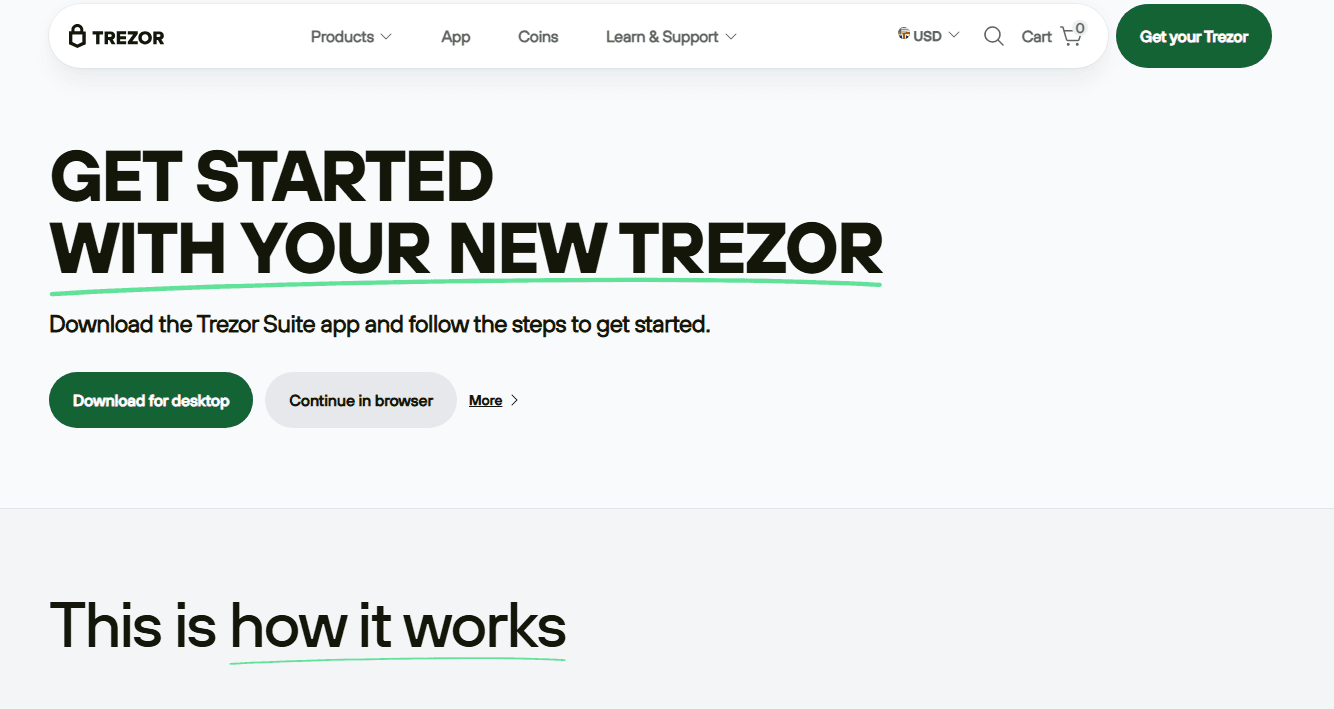
Trezor Login: A Comprehensive Guide to Secure Cryptocurrency Management
Cryptocurrency has revolutionized the way we think about money, and with it comes the need for secure storage and easy access. Trezor, one of the most popular hardware wallets, allows users to manage their digital assets securely. If you're new to cryptocurrency or simply want to understand how to log into and use your Trezor wallet, this guide will take you step-by-step through the login process, offering important insights on security, features, and common troubleshooting.
What is Trezor?
Before diving into the login process, it's important to understand what Trezor is and why it’s a trusted solution for cryptocurrency security.
Trezor is a hardware wallet that stores your private keys offline. This means that your sensitive information is not exposed to potential online threats like hacking, phishing, or malware. Instead of relying on exchanges or online wallets, a Trezor device gives you full control over your cryptocurrencies.
The Trezor wallet supports a wide variety of cryptocurrencies, including Bitcoin, Ethereum, Litecoin, and many others, making it a versatile choice for crypto users. The two primary models of Trezor are the Trezor One and Trezor Model T. The main difference between the two is the Model T has a touchscreen, offering a more user-friendly experience.
Why Use Trezor?
Trezor is highly regarded for several reasons:
Security: The hardware wallet stores your private keys offline, ensuring that even if your computer is compromised, your assets remain secure.
Backups: Trezor generates a recovery seed when you first set it up, which can be used to restore your wallet if you lose access to the device.
User-Friendly Interface: Despite its high-level security, Trezor’s interface is straightforward and intuitive, making it accessible even for beginners.
Multi-Currency Support: Trezor supports a large number of cryptocurrencies, allowing you to manage all your assets in one place.
Regular Updates: Trezor frequently updates its firmware, ensuring that your device remains secure against evolving threats.
Getting Started with Trezor: Unboxing and Setup
Before you can log into your Trezor wallet, you need to go through the initial setup process. This involves unboxing the device, connecting it to your computer, and setting up a PIN and recovery seed.
Unboxing Trezor
Inside the box, you’ll find the Trezor device itself, a USB cable, and a set of instructions. It’s essential to ensure that you are purchasing your Trezor device from an official source to avoid counterfeit products.
Connecting the Trezor to Your Computer
Plug in the device: Use the provided USB cable to connect your Trezor wallet to your computer.
Download the Trezor Bridge: Once connected, the Trezor wallet will prompt you to download Trezor Bridge, a piece of software that allows your computer to communicate with the device.
Open the Trezor website: Navigate to https://trezor.io on your browser and follow the on-screen instructions to begin the setup.
Install Trezor Wallet: Once the Trezor Bridge is installed, open the Trezor Wallet application. This is where you will interact with your wallet and view your assets.
Setting Up Your Trezor Device
Choose a PIN: During the setup, you’ll be asked to create a PIN for your Trezor. This PIN ensures that only you can access your wallet, even if someone gains physical access to your device.
Write Down Your Recovery Seed: One of the most important steps is writing down your recovery seed (a series of 12-24 words). This seed will allow you to recover your wallet if it’s lost, stolen, or damaged. Be sure to store the recovery seed in a safe place, separate from the device itself.
Confirm Recovery Seed: After writing down your recovery seed, you will be asked to confirm it by selecting the words in the correct order.
Trezor Login Process
Once your Trezor device is set up, you are ready to log into your wallet and begin managing your cryptocurrencies.
Step 1: Connect Your Trezor to the Computer
To begin the login process, plug your Trezor device into your computer via the USB cable. Ensure that your Trezor is securely connected before proceeding.
Step 2: Open the Trezor Wallet Interface
Navigate to the official Trezor website and open the Trezor Wallet application. You may be prompted to download or install the latest version of the app. Once the app is open, it will recognize the device automatically.
Step 3: Enter Your PIN
Once the Trezor device is connected and recognized by the Trezor Wallet, you will be prompted to enter your PIN. The PIN should be entered directly on the device’s touchscreen (for Model T) or via a combination of buttons (for Trezor One). This step ensures that only you can access your wallet.
Step 4: Review and Confirm Your Account
After entering your PIN, your Trezor Wallet interface will display an overview of your assets, including the balances for each supported cryptocurrency. You can now navigate through the wallet interface to check your funds, send or receive cryptocurrency, or access settings.
Security Features to Keep in Mind
Logging into your Trezor is secure, but there are several additional measures you can take to enhance the security of your wallet.
Use Strong PINs: Avoid simple PINs like 1234 or your birthdate. Choose a combination that is difficult for others to guess.
Two-Factor Authentication (2FA): For added security, enable 2FA on your Trezor account. This requires you to input a second code (usually from an authenticator app) in addition to your PIN.
Regularly Update Your Firmware: Trezor frequently releases firmware updates to improve security and introduce new features. Ensure that you regularly check for updates and install them.
Backup Your Recovery Seed: This cannot be stressed enough: Keep your recovery seed safe. If you lose access to your Trezor or it gets damaged, the recovery seed will allow you to restore your wallet.
Check for Phishing Sites: Be cautious when logging into your wallet. Always ensure you are on the official Trezor website and never share your PIN or recovery seed with anyone.
Common Login Issues and Troubleshooting
Despite its reliability, you might encounter occasional issues while logging into your Trezor wallet. Here are some common problems and their solutions:
Issue 1: Trezor Not Detected by Computer
Solution: Ensure the USB cable is properly connected. Try using a different USB port or cable. Also, make sure the Trezor Bridge software is installed correctly.
Issue 2: Forgot Your PIN
Solution: If you forget your PIN, you’ll need to reset the device using your recovery seed. After resetting, you can restore your wallet by entering the recovery seed during the setup process.
Issue 3: Trezor Device Stuck on the Loading Screen
Solution: Try restarting the Trezor Wallet app and reconnecting your device. If the problem persists, reinstall the Trezor Bridge and make sure your firmware is up to date.
Conclusion
The Trezor wallet offers a secure and user-friendly way to manage your cryptocurrency assets. By following the simple steps outlined above, you can easily log into your Trezor wallet and begin enjoying the peace of mind that comes with secure offline storage. Always remember to back up your recovery seed, use a strong PIN, and stay vigilant against phishing attacks to keep your digital assets safe.
As you continue your journey into cryptocurrency, your Trezor wallet will be your trusted companion for secure and easy access to your funds. With the right setup and security practices, you’ll be well-equipped to navigate the world of digital currencies.